


Advanced Laparoscopy for Your Parenthood Journey
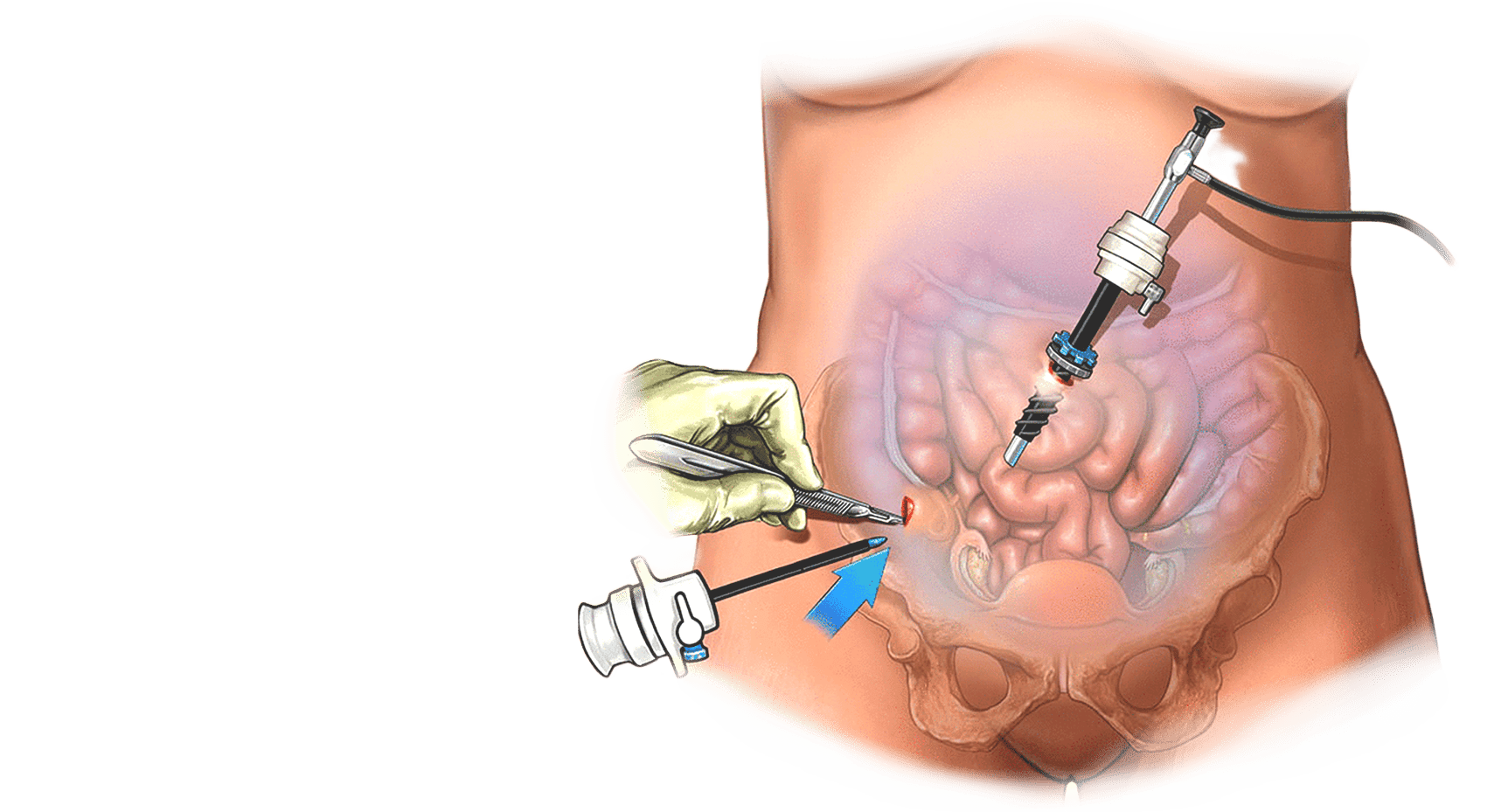
Laparoscopy is a minimally invasive procedure used to examine and treat conditions in the abdomen and pelvis that may affect fertility. During the procedure, a thin camera is inserted through a small incision, allowing the doctor to clearly examine the reproductive organs and identify possible causes of infertility, such as endometriosis, ovarian cysts, or pelvic adhesions. Laparoscopy for infertility can also help treat certain conditions during the same procedure. At Queens IVF, Dr. Priya Shukla evaluates each patient’s fertility concerns to determine whether laparoscopy surgery for infertility may be suitable as part of an individualized treatment plan.
Laparoscopy for infertility generally involves a few important stages, from the initial consultation and pre-surgical assessment to the procedure and follow-up. The exact steps may vary depending on the patient’s fertility concerns, medical history, and whether any condition needs to be treated during the procedure.

The process begins with a consultation where the fertility specialist reviews your medical history, previous fertility treatments, test results, and current concerns. This assessment helps determine whether laparoscopy surgery for infertility may be appropriate and allows the doctor to plan the procedure according to your individual needs.

Before laparoscopic surgery, the patient may undergo blood tests, imaging, and other health evaluations as recommended by the medical team. These assessments help determine whether the patient is ready for the procedure and support safe surgical planning under general anaesthesia.

During the procedure, a thin camera is inserted through a small incision in the abdomen to examine the reproductive organs and surrounding pelvic structures. The doctor may evaluate the uterus, ovaries, fallopian tubes, and pelvic area for conditions such as endometriosis, adhesions, ovarian cysts, or other abnormalities that may affect fertility.

If a fertility-related condition is identified and treatment is appropriate, certain problems may be treated during the same laparoscopic procedure. Depending on the condition, this may include treating endometriosis, removing selected cysts, releasing adhesions, or addressing certain tubal problems.

After laparoscopic surgery, the medical team provides guidance on recovery, medication, activity, and follow-up care. A follow-up consultation helps assess healing and discuss the next steps in the fertility treatment plan, including whether further treatment or conception attempts may be appropriate.
Laparoscopy for infertility generally involves a few important stages, from the initial consultation and pre-surgical assessment to the procedure and follow-up. The exact steps may vary depending on the patient’s fertility concerns, medical history, and whether any condition needs to be treated during the procedure.

When a couple has been trying to conceive for twelve months or more without success, laparoscopy may be considered when other evaluations suggest a possible pelvic or structural cause of infertility.

Women with suspected or diagnosed endometriosis may be considered for laparoscopy to evaluate pelvic structures and, when appropriate, treat endometriosis affecting the reproductive organs.

Laparoscopy may be considered for women with suspected tubal problems, pelvic adhesions, or previous pelvic infections to assess the fallopian tubes and surrounding reproductive structures.

In selected cases of recurrent miscarriage, laparoscopy may be considered when a pelvic or structural abnormality is suspected and further evaluation is needed after other relevant investigations.
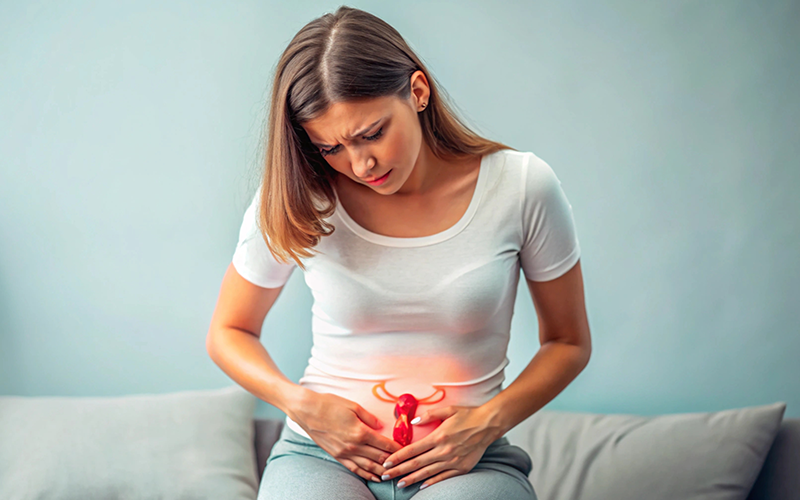
Women with certain fibroids, ovarian cysts, or other pelvic abnormalities may undergo laparoscopic evaluation to assess their location and determine whether surgical treatment is appropriate.

When routine fertility investigations do not identify a clear cause, laparoscopy may be considered in selected cases to evaluate the pelvic organs for conditions that may not be visible through standard tests.
Find quick answers, or reach out to our support team for more help.
Queens IVF is a leading fertility clinic dedicated to helping couples achieve their dream of parenthood with advanced treatments and compassionate care.
© 2026 All rights reserved by Queens IVF Clinic