


Advanced Embryo Development for Personalized IVF Care
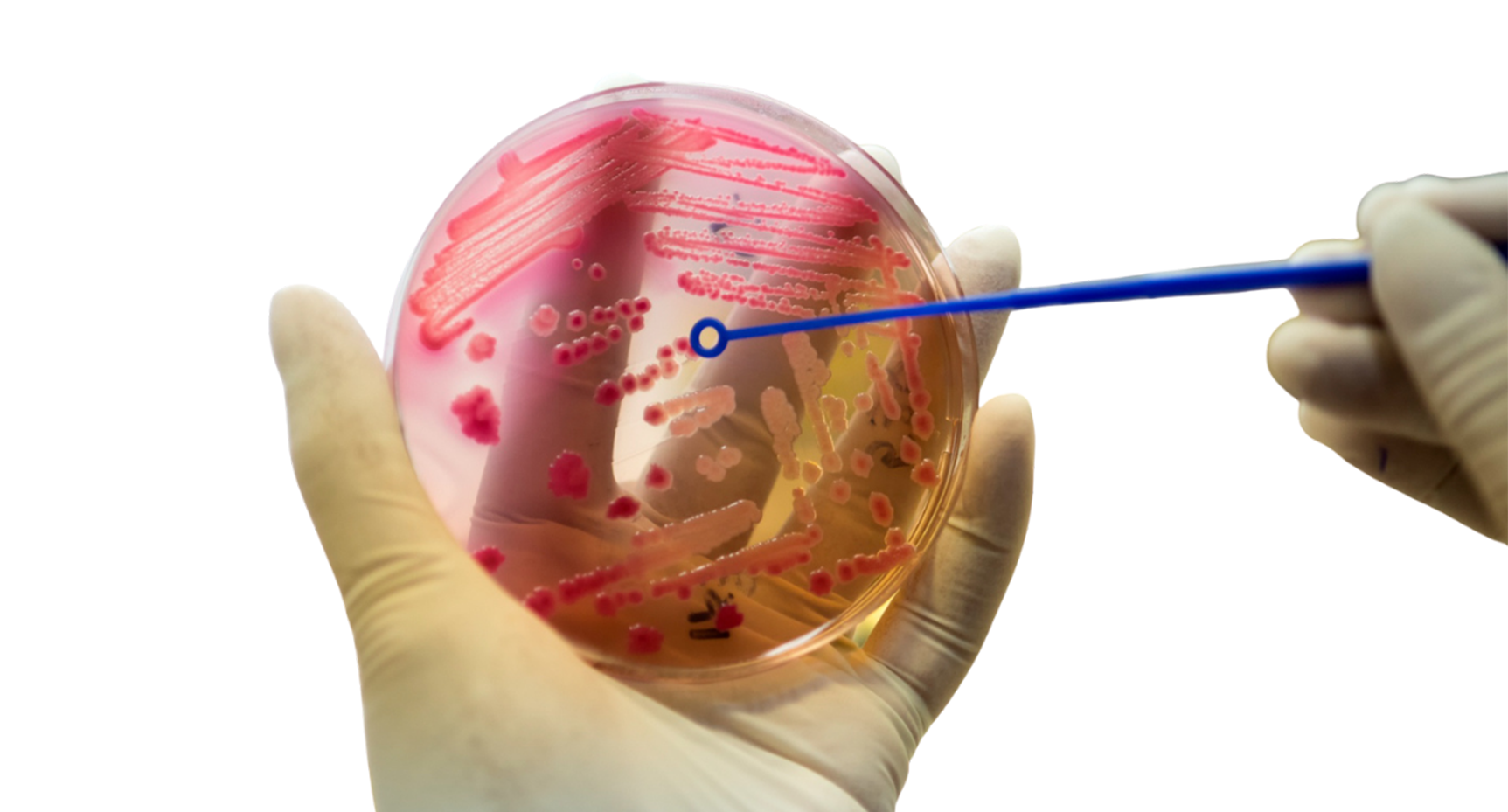
Blastocyst Implantation is an advanced IVF laboratory process in which fertilized embryos are cultured for around 5 to 6 days. During this period, embryos develop from the early cleavage stage into blastocysts, allowing embryologists to monitor their development before a suitable embryo is selected for transfer. The blastocyst stage closely corresponds to the stage of embryo development when implantation normally occurs in the uterus.
The blastocyst culture and transfer process begins with a detailed consultation to review your medical history, previous fertility treatments, and reproductive concerns. Your fertility specialist may evaluate relevant test results, ovarian reserve reports, and previous IVF cycles to determine whether blastocyst culture and transfer may be suitable for you. Based on this assessment, a personalized treatment plan is developed according to your fertility needs and treatment history.

Before fertilization, the eggs and sperm are assessed to determine their suitability for the IVF process. Ovarian stimulation helps develop multiple eggs, which are monitored through ultrasound scans and, when needed, hormone tests. The sperm sample is also evaluated for factors such as count, movement, and overall quality. Based on these assessments, the fertility and embryology teams determine the most appropriate approach for fertilization and subsequent embryo development.

The retrieved eggs are fertilized in the laboratory using IVF or ICSI, depending on the recommended treatment approach. The resulting embryos are then cultured in a carefully controlled laboratory environment for around 5–6 days, allowing them to develop to the blastocyst stage. During this period, embryologists closely monitor embryo development and assess their progress. Based on this assessment, suitable embryos may be selected for blastocyst transfer or freezing.

Once a suitable blastocyst is selected, it is carefully transferred into the uterus using a thin, flexible catheter. The procedure is generally less invasive and does not usually require surgical cuts. The timing of the transfer is planned according to the individual IVF cycle and uterine lining. Hormonal support may be prescribed to help prepare and maintain the uterine lining for embryo implantation, depending on the treatment plan.

After the blastocyst transfer, patients receive personalized medical guidance and follow-up care. Hormonal support may be prescribed based on the individual treatment plan, and a pregnancy test is performed at the appropriate time to assess the outcome. The medical team continues to guide patients through the follow-up period, address concerns, and discuss the next steps based on the treatment outcome.
The blastocyst culture and transfer process begins with a detailed consultation to review your medical history, previous fertility treatments, and reproductive concerns. Your fertility specialist may evaluate relevant test results, ovarian reserve reports, and previous IVF cycles to determine whether blastocyst culture and transfer may be suitable for you. Based on this assessment, a personalized treatment plan is developed according to your fertility needs and treatment history.

When multiple embryos are available during IVF, extended culture to the blastocyst stage allows embryologists to monitor their development and assess which embryos may be suitable for blastocyst transfer and implantation.

For patients with specific fertility or implantation concerns, blastocyst transfer may be considered as part of an individualized IVF treatment plan. Extended embryo culture allows the medical team to assess embryo development before deciding whether blastocyst transfer is appropriate.
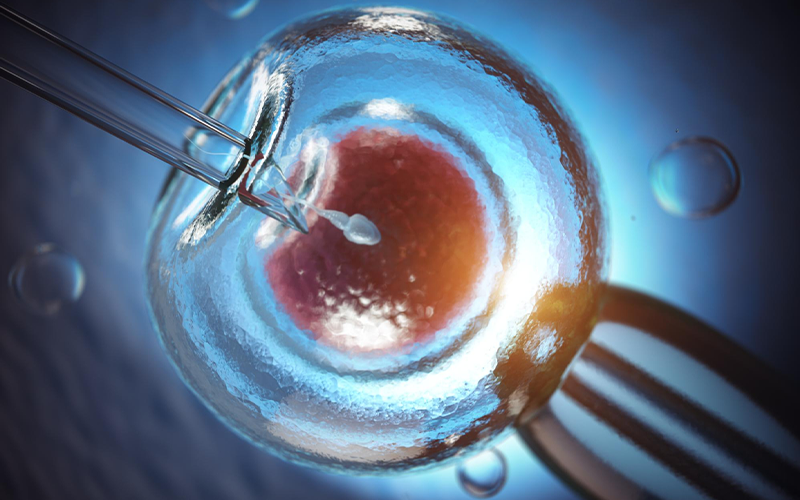
For couples considering single embryo transfer, blastocyst culture allows the development of embryos to be monitored before selecting an embryo for transfer. Single embryo transfer can also help reduce the risk of multiple pregnancy when clinically appropriate.
Find quick answers, or reach out to our support team for more help.
Queens IVF is a leading fertility clinic dedicated to helping couples achieve their dream of parenthood with advanced treatments and compassionate care.
© 2026 All rights reserved by Queens IVF Clinic